
















































What Bangladesh and Iran Share
A comparison between Bangladesh and Iran may not be pragmatic, given the vast differences in their rich historical heritages. What is comparable is the repeated dedication and courage shown by the people of both nations in standing up for their respective countries.

There are a few countries that have shown courage, bravery, and sacrifice in defending their nations against oppression, whether from internal governance or external threats. On the surface, people in these countries project an image of leisure, of being unworried amid difficulties, and are accused of being politically unconscious.
But when it comes to dignity as citizens or to questions of sovereignty, they wake like giants together and pulverize whatever stands ahead. When it comes to love for sovereign land, one’s own language, a strong sense of culture, and the facts of history, Bengal, or today’s Bangladesh, and Iran, or Persia, stand unmatched by any other in the world.
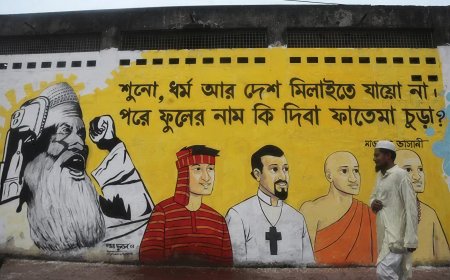
For Bangladesh, the pride is the declaration of February 21 as the International Language Day, in recognition of its struggle for language since 1952. Politeness, a courageous ideal, self-discipline, integrity, philosophical balance, and wisdom based on old-fashioned concepts, etc., glorify both the nations, where culture dominates money.
Even with the old-fashioned mindset, both show openness to new ideas, form opinions tempered by experience and reflection, maintain the truth without being swayed by the exigencies of the moment, and can defend their ideas or review them to fit new information. Both can fight their battles using their indigenous methods and weaponry, as proven historically in Bangladesh in July 2024 and in Iran in March 2026.
Bangladesh’s absorption into the reality of the above began with the Gangaridi defeat of Alexander, with the great but unsuccessful 1857 rebellion against British rule, with resistance to the Bongobhongo in 1905 that finally forged a true modern secular nationalism, with the nation’s increasingly strong resistance to British rule from 1917 to 1945, with its 1947 vote for Pakistan, with its 1971 overthrow of Pakistan due to political and cultural discrimination, and with its forcing a corrupt government to flee into exile after a popular uprising in 2024.
Repeated attempts to replace the language of Bengal failed due to various historical factors. The Sena dynasty tried to force Sanskrit on the people of Bengal from the 11th to the 13th century; the Mughals tried to force Farsi; and finally, when Pakistan tried to force Urdu as the official language, a new nation was born as Bangladesh, unique and born of the sacrifice of millions for the love of language.
Any artificial attempt to divide it along the fault line between religion and culture, any political impulse swaying between India and Pakistan, any attempt to pacify its people in the guise of development, compromising sovereignty, didn’t survive. The people of Bangladesh made themselves a global developmental model among the least developed countries amid the serious national political failure. People value freedom over food, dignity over freedom, and death over lives when either is invaded externally or by internal political oppression.
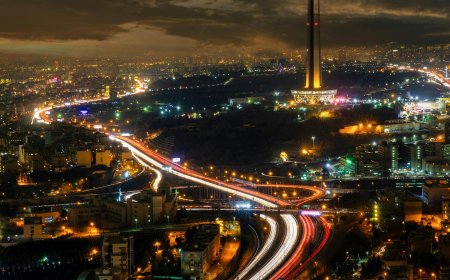
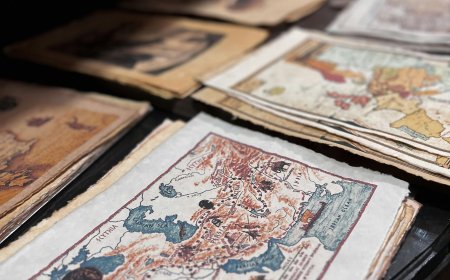
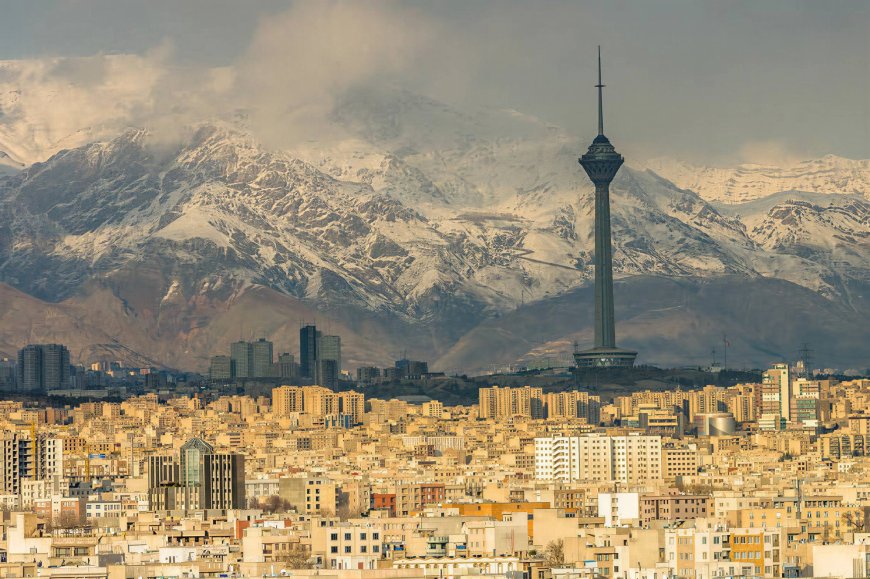
The history of Iran has been rich, serving as a microcosm of human history as a whole: empires, revolutions, invasions, art, architecture, warriors, conquerors, great thinkers, writers, poets, holy men, charismatic leaders, and the blacklisted villains. The larger canvas of Iranian history has been devoted to protecting its rich heritage of history, culture, language, and art, as well as the proud nationalism of its own language.
It has been bound together by a strong sense of national identity, not only by the pre-Islamic heritage of the Achaemenids, Sasanians, Parthians, Greeks, and post-Islamic conquerors, but also by the shared experience of the past century, including the imperial threat from the West, the Constitutional Revolutions, nationalist revolutions led by Mosaddeq, the 1953 coup, the Pahlavi era, and the dramatic experience of both the Islamic Revolution and the war with Iraq.
The identity has been forged not only by a shared history, geography, and language but also by a shared experience in the recent past. Its fight to safeguard its sovereignty against enemies both within and outside has not only helped it survive through its indigenous model of governance but also changed the lexicon of political language.
The political concept of Iran is now aligned with the modern world in establishing key political terms such as democracy, pluralism, human rights, civil society, public participation, and citizenship, in place of its age-old terms like autocracy, kingdom, nobility, notables, landlords, subjects, or clan. Iran could defend its land, language, religion, and culture from any invasion from outside or inside due to the strong Iranian national character developed through the ages.
Islam entered Iran and largely replaced the major faiths of Manichaeism, Mazdaism, and Zoroastrianism, but Arabic couldn’t replace Farsi. Iran claims to have been more unified and purified in its own identity after embracing Islam as the state religion, and it is a strong contributor to spreading it around the world. It also takes pride in being a strong protector of Islam itself vis-à-vis its neighbors.
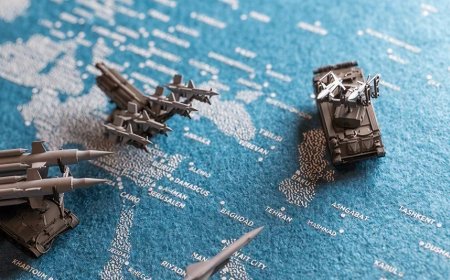
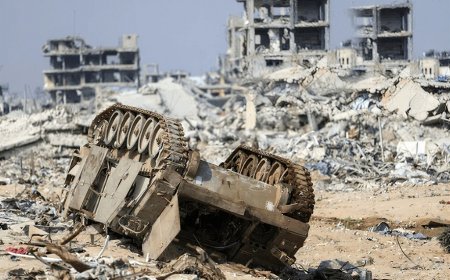
A century-long turbulence in politics, half a century of revolutionary government, and decades of economic sanctions couldn’t subdue the head-high nationalistic spirit of Iran that could withstand war against the superpower USA and Israel. The Iranians' resilience in the fight and their love for the land sent the entire geopolitical landscape into a whirlwind.
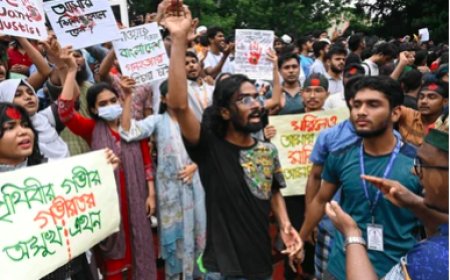
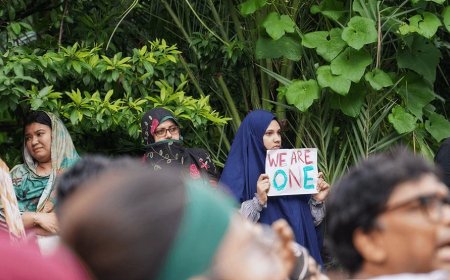
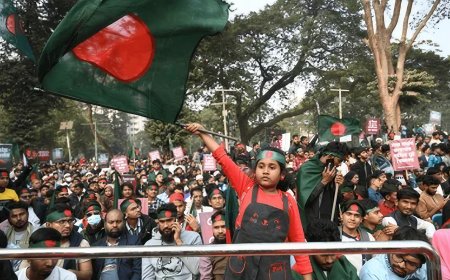
A comparison between Bangladesh and Iran may not be pragmatic, given the vast differences in their rich historical heritages. What is comparable is the repeated dedication and courage shown by the people of both nations in standing up for their respective countries. The July Uprising of 2024 in Bangladesh not only earned it the title of ‘Country of the World’ but also shook corrupt political governance across various parts of the world.
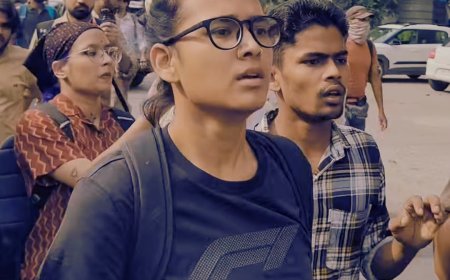
A politically established government failed to keep pace with the volatility of a generation's ideas, and it was toppled by the power of a new generation's fight, not with guns but with slogans. A new generation of youth, considered the most politically unaware and relaxed, has refuted Thomas Babington Macaulay's idea that courage, independence, and veracity are qualities that are equally unfavorable to the constitution and situation of Bengalis.
Likewise, Iran, with its indigenous model of warfare, subdued the two most powerful countries in the world through the sheer power of the spirit of its citizens and the government as a whole. The two nations have proven that the soft power of nationalism, rooted in their own language, culture, history, and religion, can defeat aggression, regardless of the enemy's hard power.
Power lies with the citizens, in the legitimacy of governance, and in the right to life with social and political justice. Dignity is in sovereignty; governance is what their people choose, not any universal model imposed from outside; politics is service to its citizens, regardless of any model; and power is transient.
Brigadier General AF Jaglul Ahmed (Retd) is a regular contributor to national dailies. He can be reached at [email protected].